Blog

  • Welcome to Senior Independence Guide

    Welcome! Senior Independence Guide is our resource for staying safe, independent and active later in life — from practical assistive products for everyday living to the confidence to start something new.

    We research, compare and explain products and topics around safety, mobility and health for seniors — in plain language, honestly. Learn more about who runs this site on our About Us page.

    Have a question or a topic you would like us to cover? Reach out via our Contact page.

  • Hearing Aids vs Amplifiers: What’s the Difference?

    Hearing Aids vs Amplifiers: What’s the Difference?

    Hearing Aids vs Amplifiers: What’s the Difference?

    For millions of seniors around the world, hearing loss is a daily challenge that affects not just their ability to engage with others, but also their overall quality of life. When considering solutions, two common options come up: hearing aids and amplifiers. But what sets these apart, and which is right for you or your loved one? Understanding the difference is crucial for making an informed decision that can significantly improve communication with family and friends.

    Why This Matters for Seniors

    Hearing loss in seniors is more than just a matter of volume—it impacts social interactions, safety, and mental health. Both hearing aids and amplifiers can help, but they serve different purposes and offer unique benefits. Hearing aids are custom-fit devices designed to compensate for specific types of hearing loss, enhancing speech recognition in noise and offering advanced features like feedback suppression. Amplifiers, on the other hand, are more general devices that boost sound levels without the need for a prescription. For seniors with mild hearing loss or those who need a temporary solution, amplifiers can be a more accessible, budget-friendly option.

    One popular choice among seniors is the Britzgo Digital Hearing Amplifier, known for its rechargeable battery and clear sound quality. However, for those with more severe hearing loss, professional-grade hearing aids like the Phonak Hearing Aids offer personalized sound processing and connectivity to devices like phones and TVs.

    Top Features to Look For

    When comparing hearing aids and amplifiers, there are several key features to consider:
    Customization: Hearing aids are tailored to an individual’s specific hearing needs through professional testing and fitting. Amplifiers are often one-size-fits-all but may offer adjustable settings.
    Sound Clarity: High-quality devices should enhance speech and reduce background noise. Look for features like noise reduction algorithms and directional microphones.
    Connectivity: Modern hearing aids often connect wirelessly to phones, TVs, and other devices for hands-free listening and streaming. Some amplifiers may also support Bluetooth connectivity.
    Power and Maintenance: Consider rechargeable batteries for convenience and cost savings. Also, think about the durability and water resistance of the device.

    Our Recommendations

    For seniors new to addressing their hearing loss, starting with a basic hearing amplifier can be a smart move. The BeHear ACCESS Neck Speaker is a versatile option that doubles as a personal sound amplifier and Bluetooth headset. However, those with diagnosed hearing loss would likely benefit more from consulting an audiologist for a custom-fitted hearing aid.

    Tips for Getting Started

    1. Get a Hearing Test: Before purchasing any device, a professional hearing evaluation will help determine the best solution for your needs.
    2. Try Before You Buy: Many hearing aid providers offer trial periods. Use this time to assess comfort, sound quality, and ease of use.
    3. Consider Lifestyle Needs: If you enjoy phone calls, TV shows, or social gatherings, look for devices with connectivity options or specialized settings for these environments.
    4. Warranty and Support: Look for comprehensive warranties and customer support for your peace of mind.

    Conclusion

    The choice between hearing aids and amplifiers isn’t a one-size-fits-all decision. By understanding your unique hearing needs and the features that matter most, you can find a solution that enhances your life. Whether it’s the discreet functionality of a hearing aid or the affordability of an amplifier, there’s never been a better time to address hearing loss. Take the first step today—consult with a professional, explore options like those found on Amazon, and discover a world of clearer hearing and brighter connection.

  • Smart Home Technology for Seniors: A Beginner’s Guide

    Smart Home Technology for Seniors: A Beginner’s Guide


    Smart Home Technology for Seniors: A Beginner’s Guide


    Smart Home Technology for Seniors: A Beginner’s Guide

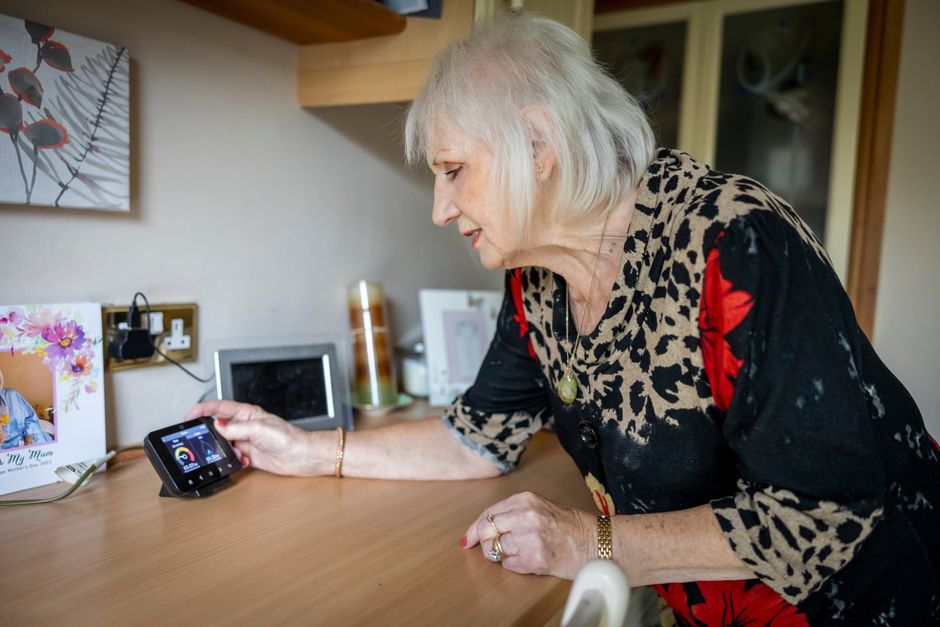
    In today’s rapidly evolving world, integrating smart home technology into your living space can offer seniors a new level of convenience, safety, and independence. Whether you’re a senior looking to make your home more accessible or a family member exploring ways to support a loved one, understanding the basics of smart home technology is the first step towards a more connected and secure living environment.

    Why This Matters for Seniors

    Smart home technology is not just about the latest gadgets; it’s about creating a living space that adapts to your needs, making everyday tasks easier and enhancing overall quality of life. For seniors, this can mean:

    • Increased safety through features like motion-activated lights and emergency alert systems.
    • Enhanced independence with voice-controlled devices that help with reminders, medication schedules, and entertainment.
    • Improved comfort and convenience, reducing the need for physical exertion in daily activities.

    What to Look For

    When selecting smart home devices, consider the following factors to ensure you choose products that are both effective and easy to use:

    Device Size and Weight

    Opt for devices that are compact and lightweight, especially if you plan to move them between rooms or if you have limited mobility. Smaller devices are also less likely to become trip hazards.

    Realistic Price Range

    Smart home devices vary widely in price. For beginners, look for devices in the $50-$200 range. These often include voice assistants and basic security cameras. More advanced systems can cost more, but many useful features are available at lower price points.

    Certifications and Insurance Coverage

    Ensure that devices meet safety standards and certifications, such as FCC for electronic devices and UL for electrical safety. Some insurance companies offer discounts for smart home security systems, so check if your policy includes such benefits.

    Accessories

    Consider purchasing accessories that can enhance the functionality of your devices. For example, a universal remote can control multiple devices, and mounting kits can help position cameras and sensors in the best locations.

    Our Recommendations

    Here are some top-rated smart home devices that are particularly beneficial for seniors:

    • Alexa-enabled Smart Speakers: Amazon Echo devices, such as the Echo Dot, offer hands-free voice control for music, reminders, and smart home devices. They are priced around $50 and are widely compatible with other smart home gadgets.
    • Smart Doorbell Cameras: Devices like the Ring Video Doorbell provide live video and two-way audio, allowing you to monitor visitors from your smartphone. These typically cost between $100-$200.
    • Smart Plugs: These can turn any electrical outlet into a smart one, letting you control appliances remotely. The TP-Link Kasa Smart Wi-Fi Plug is a popular choice, available for around $20.

    Frequently Asked Questions

    Q: Are smart home devices difficult to set up?

    A: Most modern smart home devices are designed for easy setup. They often come with step-by-step instructions and mobile apps that guide you through the process. If you’re unsure, many devices offer customer support and online tutorials.

    Q: Can smart home devices help with medication reminders?

    A: Yes, many smart speakers and smart displays can be programmed to provide medication reminders. You can set up alerts and even connect them to pill organizers that notify you when it’s time to take your medication.

    Q: How do I protect my privacy with smart home devices?

    A: To protect your privacy, ensure that your devices are placed in areas where they won’t inadvertently capture private conversations. Regularly update device software to patch security vulnerabilities, and use strong, unique passwords for each device.

    Tips for Getting Started

    1. Start Small: Begin with one or two devices that address your most pressing needs. This helps you become comfortable with the technology without feeling overwhelmed.
    2. Choose Compatible Devices: Look for devices that work together within the same ecosystem, such as Amazon Alexa or Google Home. This ensures seamless integration and easier control.
    3. Explore Voice Assistants: Voice assistants like Alexa can simplify many tasks. Spend time learning the basic commands and explore the range of skills and integrations available.
    4. Involve Family Members: Family members can help with setup, troubleshooting, and learning new features. Their support can make the transition smoother and more enjoyable.

    Conclusion

    Integrating smart home technology into your life can offer significant benefits, enhancing both safety and convenience. By starting with a few well-chosen devices and gradually expanding your setup, you can create a living environment that supports your independence and quality of life. Whether you’re a senior looking to embrace new technology or a family member seeking ways to support a loved one, the journey into smart home technology is both manageable and rewarding.

    Ready to explore the world of smart home technology? Check out our recommended devices on Amazon and start your journey towards a safer, more connected home today.


  • Incontinence Products: Discreet Solutions Explained

    Incontinence Products: Discreet Solutions Explained

    Incontinence Products: Discreet Solutions Explained

    For millions of seniors worldwide, incontinence is more than just a medical issue—it’s a barrier to independence and confidence. Yet, with the right incontinence products, adults can reclaim their freedom to live without restriction. In this article, we’ll explore why discreet solutions matter, what to look for in incontinence products, and recommend some of the best options available.

    Why This Matters for Seniors

    Incontinence affects a significant portion of the senior population, impacting daily routines, social interactions, and overall well-being. It’s not just about physical discomfort; the stigma and anxiety around accidents can lead to isolation. Discreet incontinence products help bridge this gap, offering protection without announcing the issue to the world. Whether it’s for light leakage or full incontinence, these products come in various forms—pads, adult diapers, and even underwear designed to mimic regular wear.

    Top Features to Look For

    When selecting incontinence products, several key features can greatly enhance comfort and practicality. Odor control is crucial to maintaining dignity, with some products incorporating antimicrobial materials or fragrances. Absorbency level is another important factor—products are often rated for light, moderate, or heavy protection. Discreetness is not just about appearance; quiet packaging and silent wear are also considerations. Finally, breathability helps prevent skin irritation, ensuring long-term wearability.

    Our Recommendations

    There are numerous excellent incontinence products on the market, but some stand out for their balance of performance and discretion. For men, male guards like TENA MEN Level 3 Protection Shields offer heavy-duty absorbency in a slim profile. For women, pads like Poise UltraThin provide leak-free protection without bulk. For full protection, Depend Real Fit underwear mimics regular briefs while keeping you totally secure.

    Tips for Getting Started

    Choosing the right incontinence product can feel overwhelming, especially for those new to using them. Start by assessing your needs: how often do you experience leakage, and how heavy is it? Sample different products to see what feels most comfortable. Consider diaper bags or discreet carriers for storing products on-the-go. And don’t hesitate to ask for help—from healthcare professionals to friends or family—to ensure you’re getting the support you deserve.

    In conclusion, incontinence doesn’t have to limit your life. With the right products and mindset, you can enjoy activities, travel, and socialize with confidence. Don’t wait—explore the discreet solutions available today and start living the life you want. Every senior deserves dignity and freedom—find the products that help you achieve it.

  • Best Tablets for Seniors: Simple and Safe

    Best Tablets for Seniors: Simple and Safe

    Best Tablets for Seniors: Simple and Safe

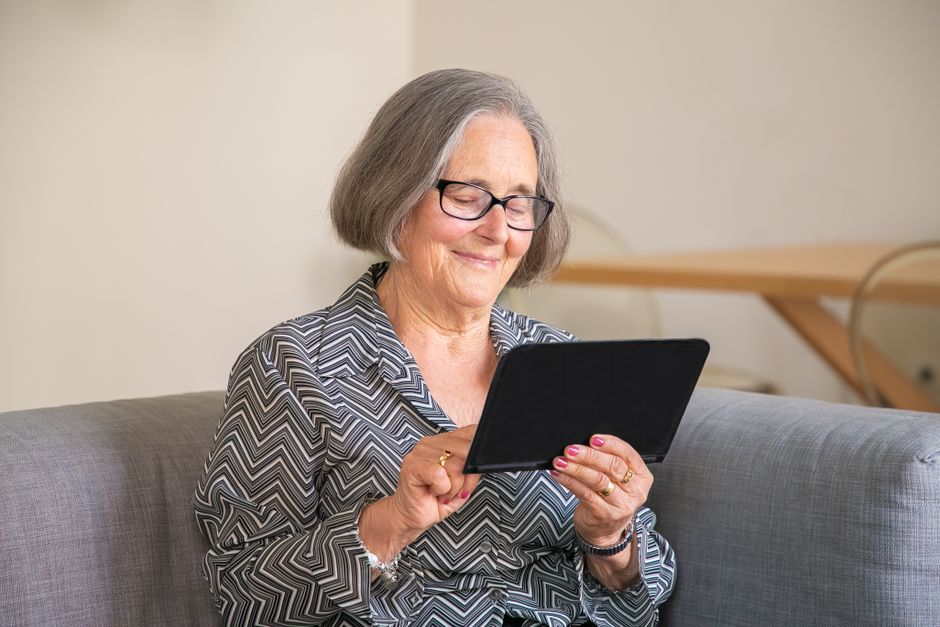
    Embracing technology can be a game-changer for seniors, offering endless opportunities to stay connected, entertained, and engaged. But with so many complex devices flooding the market, finding the right tablet can be overwhelming. In this guide, we’ll break down the essentials to help you choose a tablet that’s both user-friendly and safe for seniors.

    Why This Matters for Seniors

    Technology like tablets can play a vital role in combating loneliness and cognitive decline among seniors. With a tablet, older adults can video-call loved ones, enjoy their favorite shows and books, and even stay on top of their health and finances. The key is choosing a device designed with their needs in mind—featuring simple interfaces, large icons, and robust accessibility features.

    Top Features to Look For

    When shopping for a senior-friendly tablet, there are several key features to prioritize:

    • Easy Navigation: Look for tablets with clean, intuitive interfaces and the option to simplify home screens.
    • Large Display: A bigger screen with high contrast and magnification settings can be a game-changer for those with vision impairments.
    • Assistive Technology: Features like text-to-speech, voice commands, and hearing aid compatibility are essential.
    • Senior-Specific Apps: Apps designed for seniors, such as Medisafe for medication reminders and Skype, should be readily available.

    Our Recommendations

    After careful consideration of the above criteria, here are our top picks:

    • The Apple iPad stands out for its robust accessibility features, including VoiceOver screen reader and Zoom. Its larger models, like the iPad Pro with a 12.9-inch display, are particularly suitable.
    • For Android users, the Samsung Galaxy Tab A offers a user-friendly interface and customizable accessibility settings like font size and screen contrast.
    • A more specialized option is the GrandPad, which features a simplified interface, loud volume, and emergency alert buttons, making it ideal for those with dementia.

    Tips for Getting Started

    Once you’ve chosen a tablet, here are some tips to help seniors get comfortable:

    • Start Simple: Begin with basic tasks like video calling and browsing. Gradually introduce more apps and features.
    • Customize: Adjust settings like font size, screen contrast, and notification sounds to suit their preferences.
    • Practice Together: Spend time teaching them how to use their new device in a patient and supportive manner.

    Conclusion

    Choosing the right tablet for a senior can open doors to a more connected, engaging life. By prioritizing ease of use and safety, you can empower them to embrace technology without feeling overwhelmed. Start your search now and explore our recommended tablets to find the perfect fit. With patience and the right device, the digital world can become their playground.

  • Fall Prevention at Home: What Really Works

    Fall Prevention at Home: What Really Works

    Fall Prevention at Home: What Really Works

    Falls are a leading cause of injury among seniors worldwide, with millions experiencing debilitating incidents annually. Preventing these falls requires more than just caution—it demands a thoughtful approach to home safety. From installing reliable grab bars in high-risk areas like bathrooms to assessing overall home layout, every detail matters.

    Why This Matters for Seniors

    For older adults, a single fall can be catastrophic. Beyond immediate injuries like hip fractures, falls can trigger a downward spiral of decreased mobility, isolation, and depression. The statistics are stark: according to the CDC, one in five falls among seniors results in serious injury, with the risk of death from falls increasing exponentially with age. At the same time, studies consistently show that fall prevention measures can reduce the risk of falls by up to 30%. This includes simple, cost-effective interventions like improving lighting, removing tripping hazards, and—perhaps most critical—enhancing bathroom safety, a room where slick surfaces and difficult transitions make falls particularly common.

    Top Features to Look For

    Effective fall prevention involves a combination of environmental modifications and lifestyle adjustments. Key features to prioritize include:
    Secure Handrails: Placed in stairways, hallways, and especially bathrooms, sturdy handrails provide essential balance support. Look for models with textured grips to combat slippery hands.
    Non-Slip Flooring: Bathmats with suction cups and textured strips for stairs or shower floors are simple yet effective. For higher-traffic areas, consider replacing smooth flooring with carpet or textured tile.
    Adaptive Equipment: Products like shower chairs or adjustable toilet seats can greatly reduce fall risk during daily activities.

    Our Recommendations

    For those seeking practical solutions, consider the following:
    – The Drive Medical Shower Chair, offering stability and comfort during bathing.
    – A Moen Grab Bar, known for its durable design and sleek aesthetic.
    – For high-traffic areas, anti-slip stair strips provide invisible yet crucial traction.

    Tips for Getting Started

    1. Conduct a Home Audit: Walk through your home with a critical eye, noting areas where lighting is poor, flooring is uneven, or support structures are lacking.
    2. Consult a Professional: Occupational therapists specialize in home assessments and can provide personalized recommendations.
    3. Involve Family Members: Educate loved ones about fall risks and involve them in the modification process to ensure consistency and support.

    Conclusion

    Preventing falls at home is not just about safety—it’s about preserving independence and quality of life. By understanding the risks, identifying key areas for improvement, and implementing proven solutions like grab bars and bathroom safety measures, seniors and their families can significantly reduce the threat of falls. Start today by assessing your home’s current state and investing in a few simple, impactful changes. The peace of mind—and enhanced safety—that follows will be well worth the effort.

  • Blood Pressure Monitors for Seniors Reviewed

    Blood Pressure Monitors for Seniors Reviewed

    Blood Pressure Monitors for Seniors Reviewed

    As we age, keeping track of our blood pressure becomes increasingly important. High blood pressure can lead to serious health issues, including heart disease and stroke. Choosing the right blood pressure monitor can seem overwhelming, especially with the numerous options available today. In this article, we’ll explore why blood pressure monitoring matters for seniors, key features to look for, our top recommendations, and helpful tips for getting started.

    Why This Matters for Seniors

    Seniors are at higher risk for developing hypertension, which often has no symptoms but can cause significant damage to organs if left unmanaged. Regular blood pressure checks can help identify potential issues early, allowing for timely medical intervention. A reliable monitor also empowers seniors and their caregivers to track changes over time, ensuring treatments are working effectively. For accurate readings, monitors specifically designed for upper arm or wrist use are preferred, as they provide more consistent results compared to other types.

    Top Features to Look For

    When selecting a blood pressure monitor, several features should be prioritized. First, look for devices with large display screens and simple, one-button operation—ideal for those with dexterity issues or vision loss. Accuracy is paramount; opt for monitors that have been clinically validated or carry certifications like FDA approval. Storage capacity for multiple readings is also useful for tracking trends. Some monitors even offer Bluetooth connectivity for syncing data to smartphones or tablets, making it easier for family members to monitor from afar. For convenience, consider a high-quality upper arm monitor like the Omron Platinum, known for its comfort and precise readings.

    Our Recommendations

    Based on quality, user reviews, and senior-friendly features, we highly recommend the Omron Platinum Upper Arm Blood Pressure Monitor for its comfort and clinical accuracy. For those who prefer wrist monitors, the Beurer Wrist Blood Pressure Monitor PM16 is compact, lightweight, and offers automatic cuff inflation. Both models are easy to use independently and store multiple readings for later reference.

    Tips for Getting Started

    Before your first use, consult your healthcare provider to ensure you’re choosing the right size and type of monitor for your needs. Always follow the manufacturer’s instructions for positioning and cuff size—correct placement is crucial for accurate readings. For upper arm monitors, sit comfortably with your back supported and the cuff at heart level. Consider keeping a log of your readings alongside the time of day and any medications taken to identify patterns. If you’re new to blood pressure monitoring, browsing user guides and FAQs on Amazon can offer valuable insights.

    In conclusion, monitoring blood pressure regularly is a simple yet powerful step seniors can take to safeguard their health. By focusing on key features like ease of use, accuracy, and comfort, you can find a suitable monitor. Whether you prefer the reliability of an upper arm monitor or the convenience of a wrist model, there’s a solution available. Start your journey to better heart health today—or gift a monitor to a loved one needing peace of mind.

  • Chair Assistance: More Independence Every Day

    Chair Assistance: More Independence Every Day

    Imagine starting your day with effortless ease, rising from a comfortable seat without the strain of your body or the need for assistance. For many seniors, a lift chair can be the key to reclaiming independence in their daily lives. Whether you’re recovering from surgery, managing chronic pain, or simply looking to maintain your mobility as you age, the right senior assistance tools can make all the difference.

    Why This Matters for Seniors

    As we age, mobility can become increasingly challenging. Simple tasks like standing up from a seated position can strain joints and muscles, and sometimes even require help from others. A lift chair recliner is designed specifically with seniors in mind, providing the support and power needed to transition smoothly between sitting and standing. This not only reduces the risk of falls and injuries but also fosters a sense of self-sufficiency, which is crucial for mental and emotional well-being.

    Top Features to Look For

    When selecting a lift chair, consider your specific needs and preferences. Look for a sturdy frame, durable upholstery, and a comfortable cushioning that suits your body. Some lift chairs come with additional features like heat and massage settings, which can be particularly beneficial for those managing arthritis or back pain. The lift chair recliner with heat and massage offers both relaxation and therapeutic benefits. Adjustable armrests and a battery backup in case of power outage are also valuable options to consider.

    Our Recommendations

    We recommend exploring different models to find the one that best fits your lifestyle. For example, the Barcalounger lift chair is known for its sleek design and adjustable settings. For those on a budget, a basic affordable lift chair recliner can still provide essential support without breaking the bank. Always read reviews and consider consulting with a healthcare professional to ensure you’re making the right choice.

    Tips for Getting Started

    Integrating a lift chair into your daily routine can be simple and rewarding. Start by placing the chair in a convenient location, such as your living room or bedroom. Take time to adjust the settings to your comfort, and practice using the lift function until it feels natural. If you live alone, consider sharing your routine with a family member or caregiver so they know how to assist if needed. For additional comfort and support, pair your lift chair with a footrest for lift chairs, perfect for extended relaxation.

    In conclusion, a lift chair recliner is more than just a piece of furniture—it’s a tool for regaining independence and enhancing your quality of life. Whether you’re looking to reduce strain, manage pain, or simply enjoy your retirement with more comfort, the right lift chair can make every day easier. Take the first step today by exploring your options and finding the perfect lift chair to meet your needs. Visit Amazon to browse a wide selection and start living the life you deserve.

  • Mobility Scooters: Freedom and Independence

    Mobility Scooters: Freedom and Independence

    Regaining Your Independence: How Mobility Scooters Can Revolutionize Life for Seniors

    For many seniors, maintaining independence and mobility is a top priority, but age-related health issues can often stand in the way. That’s where mobility scooters come in—versatile, electric scooters designed to help seniors navigate their homes, communities, and beyond with ease. Whether you’re looking to visit grandchildren, run errands, or simply enjoy the park, these devices offer a newfound sense of freedom.

    Why This Matters for Seniors

    Declining mobility can be isolating and demoralizing, especially for those who value their independence. A mobility scooter can dramatically improve quality of life by enabling seniors to participate in activities they love without relying on others. From grocery shopping to social events, the right scooter can open doors (literally) and reconnect you with your community. Plus, regular use can even help maintain physical strength and flexibility.

    Top Features to Look For

    When selecting the perfect mobility scooter, consider the following key features:

    • Weight Capacity: Ensure the scooter can support your weight comfortably.
    • Range: Look for scooters with reliable battery life—like the Pride Mobility Go-Go Ultra X, which offers up to 8 miles per charge.
    • Portability: Compact, folding designs (such as the Genmine 3-Wheel Scooter) make storage and transportation easy.
    • Speed and Stability: A good scooter should offer smooth acceleration and steady handling at various speeds.

    Our Recommendations

    Based on customer reviews and functionality, here are a few top picks:

    Tips for Getting Started

    Before you begin shopping, keep these tips in mind:

    • Test Drive: If possible, try out a few models to find the best fit.
    • Assess Your Space: Measure doorways, hallways, and your vehicle (if you plan to transport the scooter).
    • Practice Safety: Always wear a helmet, use paths when available, and follow local traffic laws.

    Ready to take back your independence? Visit Amazon today to explore our recommended scooters and start your journey towards a more active, more connected you.

  • Stairlifts: Costs, Models and Funding

    Stairlifts: Costs, Models and Funding

    Stairlifts: Costs, Models and Funding

    As we age, navigating stairs in our homes can become increasingly challenging, threatening mobility and independence. A stairlift can be a transformative solution, but with so many options, understanding costs, features, and funding sources is crucial. This guide offers a comprehensive overview to help seniors and their families make informed decisions.

    Why This Matters for Seniors

    Stairlifts are more than just a convenience—they are a safety net. Each year, thousands of seniors suffer stair-related injuries, many of which could have been prevented. By installing a stairlift, individuals can significantly reduce their risk of falls while maintaining access to all levels of their home. This isn’t just about physical safety; it’s also about preserving mental well-being by avoiding the isolation that can come with mobility limitations.

    Top Features to Look For

    When selecting a stairlift, several features should be prioritized:

    These features not only enhance functionality but also provide peace of mind.

    Our Recommendations

    For straight stairs, the Acorn 130 is a top choice due to its slim profile and quick installation. For curved staircases, the Handicare 2000 offers custom railing with a smooth ride. Consider renting if you’re only temporarily in need, with options like the Bruno Elite providing flexibility.

    Tips for Getting Started

    Before purchasing, ensure your stairs are at least 29 inches wide, and consider hiring a professional to assess your home. Funding options vary by country—US residents can explore VA housing grants, while UK citizens may qualify for Disabled Facilities Grants. In Australia, the My Aged Care program offers subsidies.

    Start your journey today by researching stairlift options and consulting with local vendors to schedule a free assessment.

    Regaining full use of your home is within reach. Take the first step toward renewed independence by exploring the world of stairlifts—your safety, mobility, and happiness depend on it.