Fall Prevention at Home: What Really Works
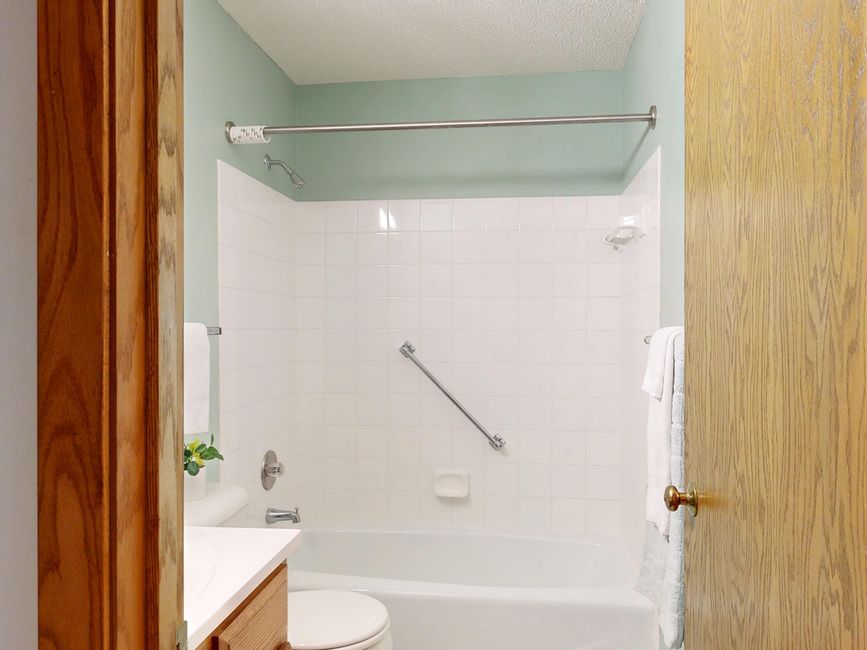
Falls are a leading cause of injury among seniors worldwide, with millions experiencing debilitating incidents annually. Preventing these falls requires more than just caution—it demands a thoughtful approach to home safety. From installing reliable grab bars in high-risk areas like bathrooms to assessing overall home layout, every detail matters.
Why This Matters for Seniors
For older adults, a single fall can be catastrophic. Beyond immediate injuries like hip fractures, falls can trigger a downward spiral of decreased mobility, isolation, and depression. The statistics are stark: according to the CDC, one in five falls among seniors results in serious injury, with the risk of death from falls increasing exponentially with age. At the same time, studies consistently show that fall prevention measures can reduce the risk of falls by up to 30%. This includes simple, cost-effective interventions like improving lighting, removing tripping hazards, and—perhaps most critical—enhancing bathroom safety, a room where slick surfaces and difficult transitions make falls particularly common.
Top Features to Look For
Effective fall prevention involves a combination of environmental modifications and lifestyle adjustments. Key features to prioritize include:
– Secure Handrails: Placed in stairways, hallways, and especially bathrooms, sturdy handrails provide essential balance support. Look for models with textured grips to combat slippery hands.
– Non-Slip Flooring: Bathmats with suction cups and textured strips for stairs or shower floors are simple yet effective. For higher-traffic areas, consider replacing smooth flooring with carpet or textured tile.
– Adaptive Equipment: Products like shower chairs or adjustable toilet seats can greatly reduce fall risk during daily activities.
Our Recommendations
For those seeking practical solutions, consider the following:
– The Drive Medical Shower Chair, offering stability and comfort during bathing.
– A Moen Grab Bar, known for its durable design and sleek aesthetic.
– For high-traffic areas, anti-slip stair strips provide invisible yet crucial traction.
Tips for Getting Started
1. Conduct a Home Audit: Walk through your home with a critical eye, noting areas where lighting is poor, flooring is uneven, or support structures are lacking.
2. Consult a Professional: Occupational therapists specialize in home assessments and can provide personalized recommendations.
3. Involve Family Members: Educate loved ones about fall risks and involve them in the modification process to ensure consistency and support.
Conclusion
Preventing falls at home is not just about safety—it’s about preserving independence and quality of life. By understanding the risks, identifying key areas for improvement, and implementing proven solutions like grab bars and bathroom safety measures, seniors and their families can significantly reduce the threat of falls. Start today by assessing your home’s current state and investing in a few simple, impactful changes. The peace of mind—and enhanced safety—that follows will be well worth the effort.
Schreibe einen Kommentar